Building a Moss Path in a Wet UK Climate: Drainage, Base and Aftercare
October 07, 2026 - Garden Paths
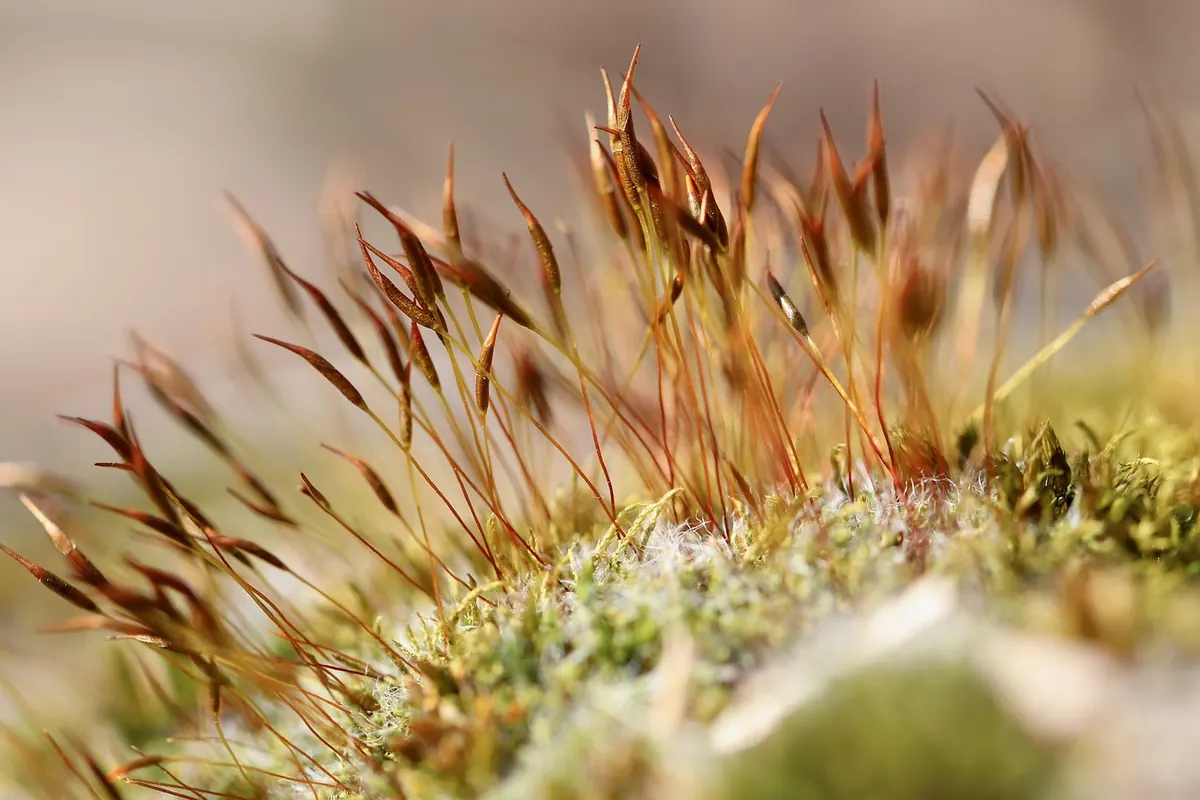
There is a particular disappointment in building a terrarium, getting it looking exactly right, then watching the moss turn brown within a fortnight. The moss was healthy in the shop, healthy on the wall you lifted it from, and then it sits in a jar on a shelf and quietly gives up.
The cause is almost always a mismatch. Moss is not one plant but hundreds of species with very different tastes in light, moisture and air movement. A bog species in an open bowl on a sunny windowsill will crisp. A moss from a drystone wall in a sealed jar will rot. Match the species to the container and moss becomes one of the most forgiving things you can grow indoors.
A closed terrarium — a jar or bottle with a lid — holds humidity close to saturation. Water evaporates from the substrate, condenses on the glass and runs back down, so the system recycles its own moisture. You might water it twice a year. The trade-off is stagnant air and no drainage, which suits damp woodland mosses and quickly kills anything that likes to dry out.
An open terrarium — a bowl, a rimless vase, an open glass cube — behaves much more like a houseplant on a shelf. It dries out fast, needs misting several times a week, and offers plenty of airflow. This is the right home for mosses that evolved on walls, paving and lawns, where they get soaked and then dry out again.
A useful rule: if you found the moss in deep shade on ground that stays damp all year, it belongs in a closed jar. If you found it on a wall, in a pavement crack or in a dryish lawn, it will do better in the open.
These species come from woodland floors, stream banks and boggy ground. They want steady moisture and low light, and they resent drying out.
Liverworts such as Marchantia and Riccia are often sold alongside moss and behave well in closed containers. Bear in mind that Marchantia spreads aggressively and will eventually colonise everything.
Open containers suit the opportunists: species that survive drought by going dormant and green up again after rain. They need more light than woodland mosses but far less pampering.
Bags of moss sold for floristry and craft work are almost always preserved or dyed. Soft, springy and unnaturally uniform in colour, they are dead and will never grow. Buy live moss from a terrarium or aquatic specialist, or from a nursery that lists species names, and check for green growth at the tips before you plant.
Collecting your own is perfectly reasonable if you do it thoughtfully. Take moss from your own garden, or with the landowner's permission. Never lift it from nature reserves, Sites of Special Scientific Interest or other protected ground — that is an offence, and slow-growing mosses take years to recover. Lift small patches from areas where the moss is abundant, and take a thin sliver of the soil beneath so the mat stays intact. Leave most of it behind.
Moss has no true roots. It anchors itself with fine filaments and takes in water through its leaves, so the substrate is there to hold moisture and give purchase rather than to feed anything.
Use rainwater wherever you can. Most tap water in the UK is hard and chemically treated, and the dissolved minerals leave pale crusty deposits on moss and scorch the growing tips over time. Bottled distilled or reverse-osmosis water is a good substitute if you have no water butt. Water from a softener is not — the added sodium is worse for moss than hardness.
Aim for bright but indirect light. A north-facing windowsill is ideal, as is a spot a metre back from a south-facing window. Direct summer sun through glass will cook a sealed jar in an afternoon, even in Britain.
Watering is where most terrariums go wrong. In a closed container, water very rarely. If condensation coats the glass all day, it is too wet; take the lid off for a few hours. In an open container, mist two or three times a week and water properly when the moss feels dry and slightly crisp, before it turns brittle.
Let closed terrariums breathe. Remove the lid for ten minutes once a week, or use a jar with a loose-fitting lid. Mould is nearly always a sign of still, wet air. Springtails — tiny jumping bugs sold for terrariums — graze on mould and decaying plant matter and are a genuinely useful addition.
Common symptoms and their usual causes:
Pick a single forgiving species — Hypnum cupressiforme is hard to beat — and a jar with a lid. Layer grit, charcoal and damp peat-free compost, press the moss on top, mist, close the lid and stand it somewhere bright but out of direct sun. Then leave it alone for a fortnight.
Change one thing at a time. If it browns, move it further from the window or mist more often. If it goes soggy, open the lid. Moss responds slowly, so give any adjustment two or three weeks before deciding whether it worked. Once you can keep one jar green through a winter, you will know exactly what the second one needs.
Photo: Nennieinszweidrei / Pixabay

How to build a moss path that survives British rain: the right base layers, sensible drainage, suitable moss species...
Brown moss in a UK summer is usually dormancy, not death. Here's how drought, heat and sudden light cause it, and...
Copyright © 2026 Moss Path. All Right Reserved.